“Let some time dictate what you need to do. Let yourself grieve.”
—Tina O’Keeffe
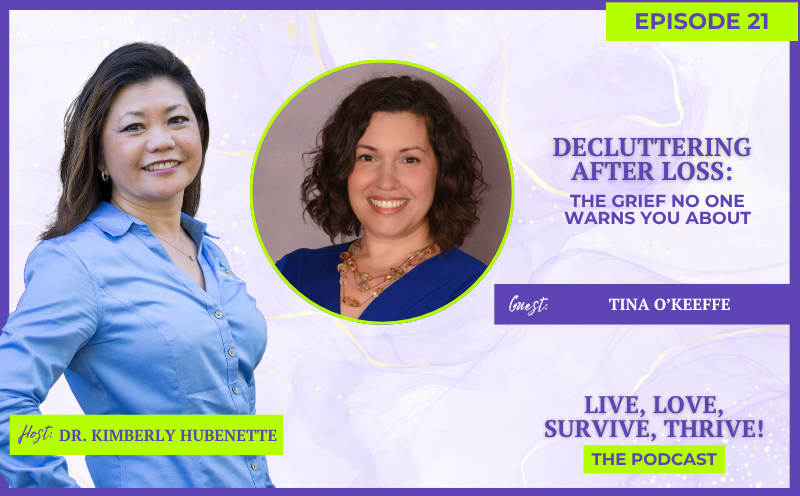
Decluttering after loss doesn’t have a deadline. A professional organizer explains why waiting — not rushing — is the healthier path forward.
Decluttering After Loss: Why Timing Matters Most
Decluttering after loss is rarely about the physical stuff. It’s about grief, timing, and permission — and rushing the process almost always backfires.
Professional organizer Tina O’Keeffe, founder of Stow and Behold, has spent 13 years helping people clear out homes after a death, a move, or years of quiet accumulation. Her biggest lesson? No one else gets to decide when you’re ready to let go.
The Danger of Rushing
Families often want closure fast. A relative passes, and someone suggests renting a dumpster and clearing everything out in a weekend. O’Keeffe has seen this backfire repeatedly — adult children later feel robbed of items they wish they’d kept, and the person who “helped” is left holding the resentment.
Her advice: leave photos and memorabilia for last. These carry the heaviest emotional weight, and tackling them too early can stall the entire process or cause lasting regret.
The “Widow Habit” and Grief-Driven Clutter
O’Keeffe describes a pattern she calls the “widow habit” — grief manifesting as compulsive shopping, often through home shopping channels or online retailers. Someone might buy the same item repeatedly in different colors, then later have no memory of the purchases. It’s not about the objects. It’s about filling a hole that grief leaves behind.
Recognizing this pattern, rather than judging it, is the first step toward addressing it.
Letting Go Without Losing the Memory
One of O’Keeffe’s core practices is simple: let people tell the story behind an item before asking them to part with it. A napkin from a wedding, a keepsake from a trip — once someone shares why they kept it, they’re often ready to release it. Roughly 80% of what she removes from a home is donated, which helps clients feel their belongings still have purpose.
For anyone facing a home full of someone else’s — or their own past — belongings, the message is consistent: there’s no universal timeline. Preserve what you’re unsure about, focus on neutral spaces first, and let yourself grieve before you purge.
Want the full conversation, including how O’Keeffe works with hospice and hospital-bound clients? Click here: https://tinyurl.com/Live-Love-Survive-Thrive
Episode Highlights:
05:21 Meet Tina O’Keeffe: From Peace Corps to Professional Organizer
08:48 Why Organizing Isn’t About the Stuff — It’s About the Story
13:00 When Family Pushes Faster Than a Loved One Is Ready
17:22 The “Widow Habit”: Grief-Driven Shopping Explained
22:51 Organizing to the Client’s Needs, Not Your Own
32:31 The Mantras That Get Her Through the Hardest Rooms
38:01 Do No Harm: Helping Hesitant Clients Take the First Step
44:37 Ending the Shame Around Hoarding and Disorganization
48:00 Free Consultations, Zoom Sessions, and Where to Find Tina
Resources:
Books
📖Grid: Once in a Lifetime You Get to Start Over by Dr. Kimberly Hubenette
📖Live, Love, Survive, Thrive! by Dr. Kimberly Hubenette
Thank you for listening.
To keep my podcast alive,
Wanna buy my dog Dakota a bone?
Quotes:
11:45 “It feels like I’m letting them down at first, but then once I realized after a year or two, I really didn’t need that thing, and maybe somebody else could use it better than me. But I had to have that little bit of time before I could let it go.” —Dr. Kimberly Hubenette
13:56 “They might want to declutter, but they don’t want you to tell them that they have to declutter.” —Tina O’Keeffe
16:06 “No one else can dictate when it’s time… You don’t have to get rid of it right now. I don’t want people to have regrets. You can always get rid of it later, but you can’t always reclaim it once it’s given away. So definitely, people have to be ready.” —Tina O’Keeffe
20:28 “Let some time dictate what you need to do. Let yourself grieve.” —Tina O’Keeffe
24:40 “The first lesson I learned as an organizer is that I’m organizing to the client’s needs, not my own, and we have to find the compromise.” —Tina O’Keeffe
35:26 “The participation of the client is important for both sides. It’s always a more successful outcome for me and for them. We did this together.” —Tina O’Keeffe
38:09 “Organizers, in general, when we come in, we’re always going to make things better. We’re never going to go in and make things worse.” —Tina O’Keeffe
44:38 “I want people to not feel so much shame around their situations. There’s no judgment.” —Tina O’Keeffe
Meet Tina:
-
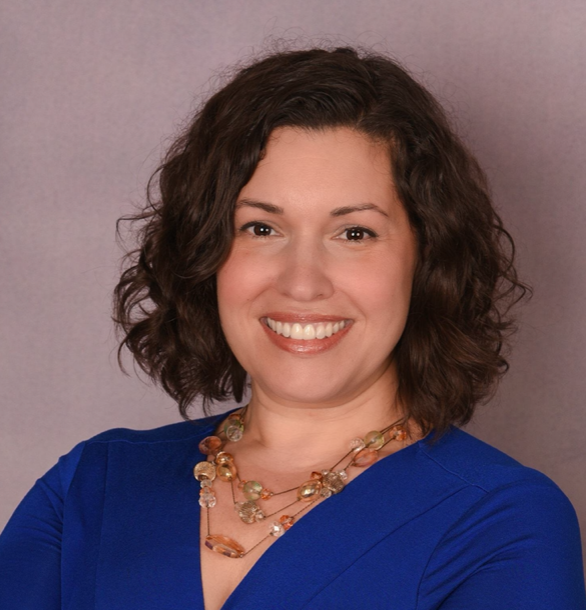
Tina O’Keeffe founded her professional organizing business, Stow and Behold, 13 years ago to help clients prepare for moves, recover from moves, or stay where they are and be happy and healthy. Her client focus is seniors, those with physical challenges, and individuals exhibiting hoarding behavior. Her mission is to help clients declutter while donating or recycling the items removed from the home. She seeks out unique charities to find homes for items that are often discarded.
Wanting to stay professionally connected, Tina is a member of the National Association of Productivity and Organizing Professionals (NAPO) and the Institute for Challenging Disorganization (ICD). She is a board member of the Senior Umbrella Network of Queens (SUN-Q), Secretary of the Mineola Garden City Rotary, Treasurer for the Girl Scouts of Garden City, and Education Coordinator for Business Networking International (BNI). Most recently, Tina is a founding member of the Hoarding Alliance of Long Island (HALI), whose mission is to reduce stigma, increase awareness, and foster understanding of hoarding disorder throughout our community.
Tina resides in Stewart Manor, NY with her husband, Thomas, and their blue healer, Luna. They have three daughters, Dalia, Juliana, and Patricia.
Transcript:
Dr. Kimberly Hubenette: Hi, everybody. Dr. Kimberly Hubenette here on a live, love, survive, thrive. So this week, you know, is a special week. It is Fourth of July weekend, and you know we’re just having some fun here. I’m gonna go see some friends. We’re gonna go do a little trap shooting. I don’t know if anybody knows what that is, but those little clay pigeon birdies flying around and that kind of thing. Anyway, so I wanted to talk to you guys a little bit about the grief that you might be feeling over the course of this weekend. You know, it’s Fourth of July weekend, and people might have had some, you know, amazing memories with their loved ones, and you know, sometimes it just feels a little hard to move forward. But I encourage you all to get out there, and you know, have some fun. Go out there and maybe go watch some fireworks or have a little barbecue with a friend or two. If they ask you, why don’t you say yes? So, this weekend, I have my cousin and her dog is coming to visit us, and my nieces are gonna come with their dog. So it’s gonna be a dog fest, and hopefully they all get along. And there’s a gut kind of chaotic a little bit, and that leads me to what our subject is this week.
So I have the pleasure of introducing Tina, and Tina is the founder of a professional organization that has been around for about 13 years you say? 13 years, and she helps clients prepare for moves. She helps them recover from moves or stay where they’re happy and healthy. This means kind of like sometimes seniors that need to have a change in their like places. Sometimes, and this is interesting, people that have things that they have to should have to give away, maybe hoarders. Some so we were talking about this earlier, and, you know, if there’s things that, you know, you have that maybe you want to declutter or donate or stuff like that. I mean, this is really something that challenges a lot of people, especially for people that have lost a loved one and they don’t know what to do with all of their stuff. I mean, yes, there are things that you can keep, and you know, maybe things that somebody else could use instead of yourself. You know, so I really want to introduce her and have Tina explain and talk about her organizations that she belongs to. Welcome, Tina. Hi. Thank you for having me. Yeah. Well, you know, a little bit about yourself. I mean, you said that you’ve been doing this for. A long time, and tell me a little bit more about you know the services that you do. You’re in Rotary. I’m in Rotary. Oh, nice. Okay, great. Yeah, and I was a Girl Scout once, and you said you’re a treasurer of a Girl Scout club, so that’s cool. Yeah, a little bit. So, how did you get into this?
Tina O’Keeffe: Hi. Thank you for having me.
Dr. Kimberly Hubenette: Well, you know, a little bit about yourself. I mean, you said that you’ve been doing this for. A long time, and tell me a little bit more about the services that you do. You’re in Rotary. I’m in Rotary and I was a Girl Scout once, and you said you’re a treasurer of a Girl Scout club, so that’s cool. So, how did you get into this?
Tina O’Keeffe: So my background is actually in writing. I was a published author, and I did a lot of consulting and freelance copywriting, grant writing. You know, I was a consultant for in corporate communications. I was public relations account executive, so I kind of did every kind of writing, and I enjoyed that, and I always kind of felt like I wish that I could do more philanthropic projects. But I was, you know, as a writer, you’re always just trying to like make ends meet because it’s like writing being a consultant is better. But you know, just like when I had my own copywriting business, it was a little like up and down, cyclical, and I met my husband, my future husband, actually, and we went to– we served in the Peace Corps together when we were first married. We got married. We went off for two years. We served in Ukraine from 2003 to 2005 and then I really, really got into– I was doing a lot of grant writing, obviously. I loved that I was like everything we we engaged in was like something like giving back to the community. It was all service. It was great. So coming back, I went back into my you know writing career, but I had that in the back of my mind. Like that’s something that I kind of wanted to do to help people. And I was working as a consultant, and on the side, I was a freelance copywriter, and one of my clients asked me to attend a conference that was Women Entrepreneurs in New York City, and they asked me to go and represent them at that conference. And I attended, and one of the speakers was an organizer, and that was in 2005. So it’s like a light bulb went off. I didn’t know that that was something you could do for a living. I had never really heard of it before. I thought it was like super interesting. I was always like a very organized person. I kind of like loved the idea of that. So I approached her afterwards, like a groupie at a concert, and said, “You know, I think you’re so cool. And she was like, “Wow, are you interested in organizing?” And I said, “I’d never really thought about it before.” So we met a few times. She vetted me and also like kind of taught me a couple of basic functions of her business, and then hired me as a representative of her business. So I would go out and I would organize for people under her name brand, and I loved it. I would do it on the weekends. You know, I had a full time job. I had two jobs, and this was my third. And I loved doing it, though. I loved like meeting new people and helping them solve problems and fixing their homes to make it better, and I did that for probably close to a year, and then I got pregnant and I really couldn’t sustain three jobs anymore, so I had to let that go. And then fast forward after my third daughter was born and she was a toddler, I had stopped the consulting. I was still freelance copywriting, but it was like very inconsistent. And my husband said, “You know, what’s the plan? Are you going to keep pursuing the writing? Are you going to go back to being a consultant?” And I said, “You know, I don’t know. We’ve got three small kids at home. You know, you have childcare to consider. I need something that has flexibility.” And he said, “You know, what about that organizing thing? He’s like, “You really liked it. You were good at it. Why don’t you give that a go?” So I did. That was in 2013, and I approached other busy moms like myself, and I said, “I’ll organize a room in your house for free in exchange for before and after pictures. And every single person said no, and I was like, “Wow, I can’t even give the service away for free! Like, what a terrible business that I’ve gotten into! And the truth was that in 2013, the show on TV was Hoarders, and like it’s not the way it is. It’s changed a little bit now. Organizing has become a little bit more connected to design, and it’s not the stigma attached to it the way it kind of used to be. I think it’s changing, and those people knew me, and they considered me a peer, and so in their mind, they clean up when someone like me comes over. Like they don’t want me to go looking in their closets. So I kind of understood. But the follow up to a lot of these conversations was, you know, who needs help? Actually, my dad really needs help, my mom needs help, and they were starting to point me in the direction of other people in their families who were older. And then I opened my eyes to the fact that there are so many older people in my community and beyond who really are stuck in their homes. They, you know, they’re widows. You know, their children have moved away. Like, and everyone’s life is very busy, and no one wants to come back and go through the stuff in mom or dad’s basement on a Saturday afternoon, because everyone’s got a million other things to be doing, and if they want to spend time with mom, that’s not how they want to spend the time. And so there was like a need there for someone to come in and kind of sit with this person. And it’s not just what I learned is like it’s not really about getting rid of the stuff. You know, you can call a number and someone will come and take it away. They want to go through the items, and they don’t always want to keep them. They just want someone to justify or like someone to hear why they kept it. So do you need this anymore? I don’t. Well, why did you keep it? Well, that was the napkin that I wiped my lips on at my wedding. You know, like there’s a little story, and they just want to share that, and then I don’t need it. I could throw it away, and it’s like, and that’s what I’ve learned. It’s like that little bit of sharing is the thing that helps you let it go, like let it get released. So, and it’s not always that easy, but sometimes it really is just that that communication, being able to share the story and the memory, and then you’re willing to to let it go. So that’s how I got into my business, and that’s how I kind of got into the senior space. I do see all different kinds of clients, but you know, I do have like a portion of my business that really is focused on on the senior community.
Dr. Kimberly Hubenette: And would you say that, like you said, they really need you to listen, and maybe they’ll just let it go, right? Because a lot of people, I would say me included. I have things that my husband had, and at first, when he passed away, I didn’t want to get rid of much. My friends came to help me. You know, the first you know couple months, they’re like, “Oh, let’s help you clean out your stuff, and I I wasn’t ready, and they I went through lots of things, and I kept saying no, I need that, no I need that, no I need that, and then a year later, I went back through the no, I need these, and I discovered that I could let some go, and then a year later happened, and then I looked at it again, and I thought, “Oh no, I could let something go.” I think it feels like I’m letting them down or something at first, but then once I realized after a year or two, you know, I really didn’t need that thing, and maybe somebody else could use it better than me. And so, why did I keep it? But I had to have that little bit of time before I could let it go. Now, other people, maybe you know, listeners here, they might have the same type of situation, and it might be have only been a couple years, or it might be 18 years. Like my father, I was telling you earlier that my father has lots of things that he just keeps. Like my mom passed away 18 years ago, and he still has some, you know, things in the hallway, and mind you, he remarried, but he still has things of hers in the hallway. And you know, I don’t know if my dad’s second wife she feels uncomfortable, but you know, basically, I think I would feel a little uncomfortable. I mean, knowing that you still are loving the person that passed away, but do you necessarily have to keep everything right way they are? Maybe you organize it just like how you do. Have you run across those kind of people?
Tina O’Keeffe: Yes. So I often get calls from family members, and that’s always a tricky point. When the person calls me themselves, obviously it’s on their mind and they’re ready. Like they, you know, even if they’re not ready, ready, they’re ready to have the conversation to start thinking about what it might be like to declutter. But when a family member calls, it’s always tricky. I have a rule, a few rules in my business, and one of them is never sell a gift certificate to a husband who’s for his wife. It never is going to land the way you think it’s going to land. I always say it’s like a gift certificate to Weight Watchers. They might want to lose weight. They don’t want you to tell them that they need to lose weight. They might want to declutter. They don’t want you to tell them that they have to declutter. You might have talked about it, but like in terms of a gift, it’s not going to be the wonderful gift you think it is. So I kind of always discourage it unless there’s definitely another really nice gift involved, and this is like another kind of you know we try to organize it like that. But the other thing when family members call is that they see that it’s time for their loved one to clean out, they feel that it’s time, even though it’s not their stuff and it’s like not their space. They’re like it’s been long enough, kind of in their minds. And so, I’ve learned over the years that that’s also not a great combination. So I have a child who calls me and asks me to come visit their mother. Her father passed away in the past year, and they want to clean out the home. They’re going to make some decisions about transitioning her maybe to a different residence. And so I call the mother multiple times. She makes an appointment, and then something always causes her to have to cancel. And I realize after three times, it’s like she’s not ready, and so she’s canceled. Slaying on me because she doesn’t want to do this activity, and then a few months went by, and then she reached out and said, “You know, the daughter reached out again and said, ‘My mother’s ready now.’ And I reluctantly said, “Okay. I called the mother. The mother said, “Yes, you know, come on Saturday morning. And I went over there, and we talked for a long time. She still wasn’t ready. She really didn’t want to do this. We walked around the house. She showed me her beautiful home. There was a lot of extra clothing that, of course, she could have donated. She just wasn’t really up for the challenge. So we spent a little time together tidying up a room in the house just so she could see what the process was like. And then after I left, she made an appointment with me to come back. And then after I left, she canceled that appointment, and the daughter was very angry. The daughter was very, very angry with me. She said that I let her down, that I scammed her, and it was early on in my business. And wow, that really like I went into this with the idea of helping people, and it really, really like blew me away. And I made some changes after that, learning from that experience. But then I and I learned number one, like no one else can dictate when it’s time. And now I recognize the signs, and I will be much more vocal and say, I really don’t think that she’s ready. We can do other things. And I always say, pick your battles. If there’s something that someone is like very reluctant to give up, I’m not there to force that process on them. You know, I’m like, let’s put that aside. I always say, like, leave photos and memorabilias, that type of stuff, leave for the end. That is not the first thing you need to tackle. That’s the hardest stuff to tackle. And if the stuff belongs to your loved one and you’re not sure what to do, maybe we can change where it’s located. Like, maybe we can pack it away properly to preserve it because you don’t want things to get dusty. If you’re keeping something out of the respect of their memory, you know, letting it get dusty or moldy or or sun stained, you know, sun bleached because it’s exposed. At least maybe like let’s preserve it and contain it, and then revisit that another time. You don’t have to get rid of it right now. I always say, if it’s a maybe, let’s not get rid of it because then I don’t want people to have regrets. You know, you can always get rid of it later, but you can’t always reclaim it once it’s given away. So definitely, people have to be ready.
Dr. Kimberly Hubenette: Yeah, you know, if someone’s listening, it’s just the beginning of their healing journey. What would you tell them?
Tina O’Keeffe: You know, what is it that you want to do? So sometimes I’ve seen a lot in seniors, especially this widow. I don’t know what the word is, like a widow habit, which is that they’re very sad, and they, especially older women, will go on QVC and start home shopping, and it might manifest in different ways. It might manifest of like Amazon. It might manifest, you know, whatever that is. But QVC for an older generation is like it’s entertainment. You’re watching this channel, and then you’re like compelled to buy because you’re feeling this hole, and you want to, and so you’re you fill it with the stuff. So then you start buying the same pair of sandals in black, blue, tan, and red handbags, blouses, pants. It’s like you know, like a mania, like a manic type of purchasing behavior. And then years might go by, and then one day it’s like they almost like wake up from a fog and say, “How did this happen?” Like I don’t know what’s happening. And then I’ll come in, and they’ll say like, I don’t even remember buying that. I don’t even remember where this stuff came from. Like, it’s like it almost happened like in a twilight sleep, and so then we have to go through. And they are very quick to donate all of it because they are like, I don’t want it, you know. But it’s like they were in a dark time, and so that’s kind of how they they entertain themselves and also just kind of fill this gap now, and then all of a sudden they’re ready to let it go. So I do find like people grieve in different ways.
So if someone has just lost somebody, unless there is an impending move or like you you know you need to exit your home or downsize for financial reasons, you know there might be some impetus to why they have to make a change, if that doesn’t exist, there’s no rush, and maybe it’s better to focus on things that are not related to the loved one. If your home is feeling cluttered, and you’re like, I want to make a change, I want to declutter. Maybe focusing on their items is not the starting point. Maybe focus on other stuff, clothes that don’t fit you anymore? The guest linen closet, like all these places that are very neutral, focus there maybe instead, and that might satisfy your need to kind of create some order in your life. Don’t be quick to purge items that maybe later on, you know, I know many families who quickly went and got rid of all the things that belong to the loved one in a sense of like we want a fresh start, and the children were left feeling very, very deprived of things that they had fond memories of, like maybe their father, their grandfather, and those things were all of a sudden they were gone, and they have a lot of resentment. I can’t believe that she got rid of, you know, all of these things that were important to me, like these, you know, I’ve seen people throw out photographs, photo albums, just throw them in the garbage. I have sometimes rescued things and put them aside and said, “I feel like you might regret this later, so why don’t we put this aside? So it’s interesting. People are very different; they have different extremes about, you know, some people don’t want to touch anything, and some people all of a sudden feel compelled to throw everything in the garbage, thinking that that’s going to make them feel better. And so I always say, like, sit tight and wait a little bit. Let some time dictate what you need to do. You know, let yourself grieve.
Dr. Kimberly Hubenette: So, would you think that, or have this ever happened to you? Like the first person that you talked about, that they said, “Oh yeah, you scammed me.” If that happened and they dumped away everything, like would they come back and say you made me dump it?
Tina O’Keeffe: I don’t record sessions, obviously, but I do have a stipulation in my contract that says that you are the ultimate decision maker. This is your stuff, and I won’t throw out anything without your permission. And if you are not sure, you should consult your legal or financial advisor to make a decision. You know, and that’s regarding like tax papers, wills, and legal documents, deeds to houses, like that kind of thing. I always say like those aren’t really necessarily the things that are causing the clutter, you know. So, like throwing away like a few documents is not going to make it better. And if you’re not sure, better to hold on. So I kind of put the responsibility on the client and say, “I don’t throw out anything without your permission. So if I’m throwing things away, you’ve agreed that these things can go.” And if I’m unsure, I’m not putting it in a garbage bag. So I try to protect myself from that a little bit. But you know, most of the time, people are the other way. I think they’re usually they’re slower to throw things away, so it’s usually less of a threat. But if I see someone, you know, trying to dump stuff in the garbage, I am very cautious because I’ve seen people throw away things, and I’ve gone through and found passports, birth certificates. You know, they throw out a bunch of papers and they say, “Oh, this is just junk.” And the truth is that people sometimes, if they’re disorganized, they’re mixing important documents with like innocuous documents, and so they are throwing. You know, they think that they’re helping themselves, and in the end, they’re causing more chaos for themselves because they’re throwing out things that are important.
Dr. Kimberly Hubenette: So, listeners, think about this. Yes, it’s good to organize your stuff, but just be careful of what you’re dumping away, and also make sure you’re organizing it because you don’t want to be dumping away things that you might need later on. This is really interesting, Tina. So, can you tell me, you know, in your own words, what’s one belief you had to let go in order to grow?
Tina O’Keeffe: A lot of people approach me and say, “I love organizing. I should totally do what you do.” And I always kind of warn them that you’re not organizing in the way that you organize your own home, where you take everything out and you put it the way you want it, and you color code it. And you know, when you’re organizing someone else, you have to organize to their specifications, and it might not look as wonderful as you want it to look and you have accept their parameters. And I learn this a lot working with older people that you know, we could tuck everything away in the cabinets, but if someone has a little bit of like a mental impairment and they need to see things in order to function, putting everything away does not help them stay independent. You know, a lot of times the end game of the organizing for a senior is independence. You continue to live here. If we clean up the mess, remove the tripping hazards, make it hygienic, you know, kind of clean up, make it, and then make it easier for you to cook for yourself, do hygiene, etc. So, in order to do that, sometimes it means these things need to be out. You know, the person might not take their medicine if it’s put away in a cabinet, they need to see it on the counter. So we’re sometimes we’re organizing, but we’re also creating a space that’s livable for somebody. And that might mean a basket of pills on the counter. It might mean lowering all the items in the cabinets and not even using the top shelves. Lowering all the shelves, not putting things too low, not putting things too high, nothing that would require a step stool, and you know things might have to be more visual, more out, and you know like on counters on surfaces. I love to put everything away. I love to have everything in its place, and it’s all the counters are clear. That’s not always going to be the right solution for everybody. So the first lesson I learned as an organizer is that I’m organizing to the client’s needs, not my own, and we have to find the compromise. If they’re not missing their appointments and they’re not missing making payments on their bills, and they have a pile of paper on their desk and they’re fine with that pile of paper, I’m not going to start distributing the paper and making a filing system, you know, I’m going to focus on the things that are bothering them that are going to make their lives better and maybe that’s not the thing. That pile of paper might bother me, but that might not be the thing that’s causing their disorganization. There’s probably something else. So I have to kind of pick my battles, and I have to focus on making sure that they’re comfortable and they’re functioning.
Dr. Kimberly Hubenette: So do you only do like a whole house, or do you have patient people that come in and say, “I only want this one thing done” And how do you help them figure out?
Tina O’Keeffe: The lesson I learned from the lady whose daughter called me and then called me a fraud. She did that on a website, you know, like one of these. It was like an Angie’s list. Actually, was Angie’s list. Actually, I was new, and she wrote that as a review publicly without calling me or anything. And she, one of the things that she wrote was that I didn’t have a plan, you know. She wasn’t there for the appointment, and I didn’t. I had to talk to her mom about what the next steps would be. I didn’t talk to the daughter about it, and I didn’t have it in writing. And after that hard lesson, I realized I need to have a plan that is communicated clearly to anyone involved. And so now, when I meet a new client, we have one appointment together where we work together a little bit, and we get to know each other, and we do a little project, and it accomplishes multiple things. I get to know them and their decision making ability. They get to know me. They get to see what the process is like, and we have a little sense of success. You know, like a little project that we start, we finish, and something is improved in the home, and they feel good about it. And that’s especially important for people who have a lot of anxiety about organizing. You know, the talking about it makes it much worse. They need to see that it actually can happen. They don’t typically believe me when I tell them that we can organize and make it better. They like they don’t believe it. So by seeing it, they believe it. But after that first appointment, I take all the things that I saw, all my notes room by room, and I break it down. Like I call it the work plan, and that is like all the challenges I saw and all the things that I think would be the potential solutions. And sometimes it’s about maybe you need a bookshelf or you need a tote or a basket, or you need to purge this closet and put a shoe rack. You know, whatever it is, I make all those suggestions and I email that to the client, and they they have that to keep on their own. And if they decide I can do this on my own, I don’t need her. They’re welcome to have at it. If they say, you know, actually I can’t do this by myself. I need her. Then I help them. And some people say, you know what? Listen, I can do my bedroom. I can do the kitchen, but the basement and the garage are places that like I’m overwhelmed. So I I call it like an a la carte menu, and I say like you ask, I’ll help you as much or as little as you need me to. And if it’s one closet, I’ve gone in to do one closet, I’ve gone in to do a whole house. So it really, I’m not there. You know, you’re not buying a package with me. I get paid by time, so I’m there as much or as little as you need me to be. And some people like knowing that I’m there if they need me, and that then they like to do it on their own. And other people are like, you know, the truth is that if you’re not here, I’m never going to do anything. So I need you here, and so I’m flexible in that way. You know, I’m not here to to make you sign a contract that I have to like touch every single item in your home or anything like that. You know, because not everyone needs that. Some people have a very neat bedroom, but they can’t maintain their kitchen. You know, it’s like it’s different for everybody.
Dr. Kimberly Hubenette: So now that you’re telling these things, you know, think about this. My listeners, they come in all shapes, sizes, and forms, all different things. So you know, you might have just one thing, might have one room, might have a whole bunch of things in your house, and don’t be shy about it. I mean, it’s okay, is that’s what I’m hearing, because everybody needs some help and support sometimes, and maybe you know you do have family members that could help, but maybe your family members are maybe too busy to help, or they want to spend their time with you in other ways and have a professional like Tina come in and help you. Sometimes it’s easier to have a stranger come, is what I’m hearing you say, right? Because sometimes it’s too close for comfort. I mean, I know for me, I don’t care. I if I had time, I’d have somebody come help me and do it, and you know, get it all. Done. I’ve come to the point where I’ve got to start like getting rid of things and making sure that the things that I get rid of are, you know, I say thank you to for them being in my life. You know, there’s this I can’t remember who it was that I read a book about where they said you always thank the thing for being in your life, and then you let it go, right? Have you heard of that one?
Tina O’Keeffe: Yeah, that’s Marie Kondo.
Dr. Kimberly Hubenette: I mean, do you believe in that?
Tina O’Keeffe: I, to some extent, yeah. I think like we were talking before about saying goodbye to something and and sharing the memory, you know, with somebody else, and that makes it easier to say goodbye. A lot of times, when families want to get organized or clean out the home of a loved one, you know, they they’re like, “Oh, I’m going to get a dumpster outside, and I’m gonna we’re gonna throw everything in the dumpster. And the idea of that is so heartbreaking that you’re the lifetime of things that you’ve accumulated are gonna end up in the garbage, and you know they they think that they’re being helpful by saying that, but the truth is that I find most of the times when I clean out a home, unless there’s some serious damage, you know, due to like mold or you know like other like environmental issues, a lot of things can be donated. Most of the things I I would say 80% of what I take out of a home I’m donating, and it makes people feel a lot better about it. To say like, you know, I don’t need this anymore, and I used it. I got a lot of benefit from it, and now I’m happy to give it to someone else and let them get some benefit from it. And I think that it’s a better process and it’s a more positive process than just clearing things out and throwing it in the garbage, which is why organizing for someone else doesn’t really work. I mean, it it will accomplish the end game of clearing out a space, but if you wait until someone goes out and then you go into their space and clear out their stuff, it usually the outcome will be terrible. They feel very violated. They don’t know where things are now because you moved everything, and they didn’t get a chance to do that process, which is just to say, I don’t need the cent. You know, to empower them to make those decisions. You know, I feel like it’s all part of this process of like, you know, clearing out and moving on and closure. And you don’t get the closure if someone else comes in and takes it away. I think it leaves people feeling very uncomfortable.
Dr. Kimberly Hubenette: So, is there a mantra or a quote that you carry through your difficult seasons? Like, tell us about that.
Tina O’Keeffe: It always gets worse before it gets better. That is very specific to organizing because when you empty a closet and you put that pile of stuff on the floor or on someone’s bed, sometimes I hear like their breath. You know, like they’re like, like they are. Oh my gosh! Like, what have you done? And I’m like, it’s gonna get better. It’s gonna get better. I promise. This is the worst it’s gonna be. And we’re now we’re gonna put everything back. And I have to kind of reassure them because I realize like they are panicking that all that stuff is there. So definitely, that’s one. Like it gets better before it gets worse, and then the other one is I have this on a keychain a client gave to me. Like they were they were getting rid of it, and they were like, “Oh, if you want it, you can have it. And I still have it,” and it says, “It seems impossible until it’s done.” And like to me, I walk into so many situations where people are like, I don’t think you can help me. Like, I don’t see how this is even going to be possible. And then in you know three or four hours, they’re like, I can’t believe that this is happening. I can’t believe that we’re doing this. I can’t believe that we’re clear. Like, I can’t believe I can see the. I get a lot of this. Like, I can’t believe I can see the floor again. That’s well. Like I haven’t seen my floor. I had one person. I haven’t seen my floor in 10 years. I had a client’s daughter walk into a storage room and say, “I’ve never seen the back wall of this room. I didn’t know like what the back wall looked like. You know. So, like I said earlier, people don’t believe that it’s possible. They like if you talk about it, they think that you’re making like a story, like a story. Like I’m going to come in here and I’m going to take all this stuff and I’m going to bag it up and I’m going to donate it and then we’re going to go through everything and we’re going and they’re like, that’s not possible, you can’t do that. And I’m like, yes, I can. You’ll see. And then we do it, and they’re like, I can’t believe you did it. And I say we did it actually, you know.
Dr. Kimberly Hubenette: You like to do it with the person.
Tina O’Keeffe: I almost always exclusively work with a client, unless I have worked with people who are you know very busy and they send me up to their attic and they’re like, just make sense of it all. I don’t have time. I’m in meetings, and I do it reluctantly because you always find things that you’re like, well, do you need this or not? I don’t know. And then I have to make a pile of things to ask them later, and I don’t know if that’s really what they wanted, and I can’t ask their feedback if they’re not present. So I think even if you take breaks and step away, it still. Mostly should be done together, and I have clients who physically cannot do it. I have a client who’s in a hospital bed; she is not able to participate physically at all, but mentally, she makes all the decisions. And I, you know, and I do it by all different ways. I go to a different part of her house. We text pictures to each other, and she says yes or no. I take pictures and show them to her, standing with her. I’ll do a video. I mean, there’s all different creative ways, but the participation of the client is really important for on both sides. It’s always a more successful outcome for me and for them. You know, they’ve participated in the process, and I feel like they should take ownership to say, like, you know, I like I didn’t do this. We did this. You know, we did this together, and like you also did this. Yeah, that’s a big.
Dr. Kimberly Hubenette: You can take action and do something.
Tina O’Keeffe: Yes.
Dr. Kimberly Hubenette: So, does it take a long time to do like, let’s say you’re looking at a room. Does it take like weeks and weeks, or it could take a day or two days, or how long does it really take to help organize somebody’s house?
Tina O’Keeffe: There’s a lot of contingencies, and some of them is what’s in there. So, for example, I’ve done a an entire garage in three hours, taking everything out and putting everything back, and separating items for donation and for trash, and the reason why is because it was a lot of big bulky items, and the client was able to make quick decisions about them: yes or no. Do you need this or not need this? That was basically the question. If you need it, it’s going back. You don’t need it; it’s going out. So a lot of it is the decision-making ability of the person, and sometimes it’s what’s there. I had another garage that I did it in a day, but it took 10 and a half hours because in the garage, what I didn’t see from the photos was that everything there were all these little bags, and each little bag represented getting out of the car from a trip or an outing and leaving the bag in the garage, and so each little bag had a snack, a change of clothes, a towel, a pair of shoes, a book, something that needed to be returned. And so each bag represented about like 10 decisions, and there were probably 100 bags in this garage. So, so we’re making 1000 decisions, and this client needed to go through every little bag to see what was in there and decide what to do with it. Are we keeping it or getting rid of it? And that decision-making process took a long, long time. So we got it done, but it took the entire day. We were, you know, started at 8o’clock in the morning and finished at 7o’clock at night. So it was a long day.
Dr. Kimberly Hubenette: What would you tell a client that’s so hesitant to start? I mean, if they maybe are they going to be ready, or what could you help them in their mind to move forward to have somebody like you come and help them?
Tina O’Keeffe: There’s like an organizer mantra that’s like you know doctors are like do no harm you know so it’s like organizers kind of it’s like do no harm. Organizers in general feel like when we come in we’re always going to make things better. We’re never going to go in and make things worse. Like we’re always going to make it a little bit better. You know even even someone’s home that’s like pristine, you can usually find a project, not that I go looking, but like sometimes I do go into people’s homes, and their homes are so lovely. And I’m like, I don’t even know what you need me for. And then they’ll open up a closet, or they’ll open up a cabinet, or they’ll go show me an office and say, actually, here’s my little secret that I’ve been hiding. And so there’s always something, and we always make it better. You know, like even if you’re just inventorying, even if you get rid of not a thing, and you just inventory what you have and put like with like, you will feel better because you’ll know where things are. Now you know what’s in this room. Sometimes people walk in the room, they’re like, “I don’t even know what’s in here. I haven’t like opened up one of these boxes in 10 years.” And so we go through everything, and then we label everything, and then it’s like, okay, we didn’t get rid of anything, but everything is organized now, and now, you know what’s here, and now you can make decisions. You can think about it and start making some decisions about what you want to do with these things. Do you want to use them or not use them? And if you want to use them, unpack them. Let’s set it up. I recently just worked with a teenager who has-I mean, she participates actively in over 20-five hobbies, and her parents are like-they live in a very spacious apartment, but it’s an apartment, and they are like frustrated, and she’s frustrated because all of her hobbies are packed away, and there’s nowhere to to do any of them. So we went through and tried to figure out like what do you you know you’re aging out of some of these things. So like what do you actively want to keep doing? And sewing was a big thing. She really wanted to sew, and sewing requires space, a table. She’s got a sewing machine, so we thought through how. And we strategically attacked it so that we set up a place. We emptied a desk in her bedroom, moved it into another space, and set up a station for her to to do sewing. And you know, it was like she was so happy with the idea that like she was going to have this place to sew, and this is where her sewing stuff could live, and she was going to be able to sit in a chair and do all the things that she wanted to do with fabric, and so it was a good outcome. But it’s like you have to kind of say like you know what, and then there was a lot of Lego, and she’s like, the truth is that I’m, I’m not going to sit here and play with like random Legos. I might buy a set and create something, but I’m not going to like take out all these bins and start building something randomly like I would when I was a kid, you know. So you mature and the hobby has changed. So a lot of these loose Legos can be donated, and she’s going to keep the sets and focus on working on sets and then having a place to display them. So we compromise, but a lot of it just involves talking. You know, it’s a lot of talking, and sometimes there’s role playing. I do a lot of role playing with people, especially with the mail. It’s like our number one role play. Wow! Where do you get the mail? What time does the mail come in? Where do you go? Okay, so you have the mail. Where do you go with the mail? Where do you pay your bills? Where does the mail need to go so that you actually like look at the mail and process the mail, and so we like you know and and that’s so different for everybody. You know, my office is upstairs, my office is downstairs. I pay the bills in the kitchen. I pay the bills here. I pay everything online. I don’t know why I get all this mail. You know, like it’s all different. So we make those decisions.
Dr. Kimberly Hubenette: You could help anybody and everybody if they ask, right? So, yeah, interesting. One thing that I hear you say is that you look at the picture. So that means that before you go to a house or a person, they send you pictures, and then you can kind of get a feel of what you’re doing?
Tina O’Keeffe: Sometimes, like it gives me a sense of like kind of how how serious it is. Like you asked earlier about like how long it takes to do a room, and you know I’ll know what to expect more and what to expect from the client more if I can see that the boxes are piled to the ceiling versus like there’s clutter around the, you know, the room is mostly okay and there’s clutter spread sprinkled around those are two very different scenarios. I’ve been working on one room in someone’s apartment since December. So like again it really varies, and so this is an individual who has spent decades hoarding clothing in bins and boxes and bags, and the room was you couldn’t walk into this room, and she doesn’t want to get really give anything away yet. She’s not ready yet, but we needed to know what was there. I needed to inventory it, and there was a moth problem, so we needed to also be able to discard items that were damaged. And so we’ve dug little by little, and in this room, I have found two walk-in closets, two desks, a sideboard, and four dining room chairs that were not visible when I first entered this room, they were all hidden. So can you imagine how much stuff was there that we had to dig through? We had to dig through all of it, move it, and then find a closet, empty that closet. You know, and it’s a back and forth, back and forth, and it’s taken months and months of just slow progress because she’s very anxious, very very anxious about it. So we’re moving very slowly. So photos help me. If I see a room like that, I’m going to know. Okay, this person has not done any organizing. Has not done any cleaning. That’s another part of it. Like there’s been no maintenance. So you know, there’s dust. There’s there could be any kind of infestation, it’s unclear. So that just kind of helps me know what to walk into. The process doesn’t change, you know. It’s not that I’m going to do anything radically different. The process is always the same. You have to purge it, you have to assess it, return it, and take out the things that you don’t want. So it’s kind of always going to be the same process. It’s just move a little more slowly, or have to be done more carefully, or take more time certain ways. Okay. Well, lovely, lovely chat with you.
Dr. Kimberly Hubenette: What legacy or message do you hope your story leaves behind that you could help somebody else?
Tina O’Keeffe: I really want people to not feel so much shame around their situations. I always tell people like this: there’s no judgment. You know, like how you got here is important, but it’s less relevant than what we’re going to do about it. So it’s like you know we’re just here to make it better. Like I’m not here to judge you about like what happened between, you know, when you were young, and now, and you know everyone has a story that is complicated, and feelings about their things that are complicated. So I always say that you know I don’t want people to feel bad. I want them to feel good at the end of this process. I’m not there to yell at them. I’m not there to scold them or shame them. I’m there to help them, and so that’s that’s very important to me. And right now, I belong to a national association of organizers called NAPO, and I belong to another organization called ICD, which is the Institute for Challenging Disorganization, which focuses a little bit more on hoarding and hoarding behavior. And many of us who live in Long Island in New York, because we’ve we’ve just been encountering so much of this behavior, especially among senior clients, but really all across all ages, we’re starting something called the Hoarding Alliance of Long Island, and these alliances and their task force networks-they they exist all over the country in places like Philadelphia, Minnesota, Michigan, you know, Boston, like all different cities, have them. So, but there isn’t one where we live, so we are starting one. And the idea is that we’re partnering with everyone in the community who encounters people who are suffering from hoarding behavior. So, first responders, junk removal people, senior caregivers, like social workers, and, you know, all different types of people in care industry, and so we’re trying to bring them all together to understand how we can help each other, what resources are available, if someone needs mental health support, if someone needs like an organizer, if someone needs junk removal, that we all exist and that we can be there to help people and also to educate people about you know- hoarding- declutter is one part of it. Hoarding is actually it’s a mental health disorder, so it’s-it’s a little bit more complicated. And so, and educating people on the difference and helping them understand that, like you know, these people people can be helped. It’s just you have to approach it a certain way. So that’s definitely being part of that alliance has been wonderful. I’ve met like a ton of great people putting it together, and so yeah, like my legacy to be like educating and showing people that no matter how bad it is, there’s always a way to make it better.
Dr. Kimberly Hubenette: And you know what else? No matter how far away or how close you are to me, you’re a good source. So we were talking earlier that, yes, you’re on the East Coast, and I’m on the West Coast, but you do Zoom, right? You can help somebody through that. You come to their place if they let you. Those kind of things. So guys, you know, there’s no excuse to not have somebody like Tina come out to your place. Tina, is there, you know, do you have a website? Do you have any giveaways or anything that you want to share with my live, love, survive people?
Tina O’Keeffe: Well, for sure, my website is stowandbehold.com. I’m also Stow and Behold on Facebook, on Instagram, on LinkedIn, on X. You know that I’m always Stow and Behold, and I do free phone consultations. So if someone calls me and they want to ask me a few questions and pick my brain about what to do, I’m very happy to help somebody no matter where they’re located. And I also would recommend if people wanted help locally, if you really want to have someone in person, the organization NAPO has a “find an organizer” feature where you enter your zip code, and it will tell you what professionals service your area and what their expertise is. Some people have different areas of expertise, so that’s always a great resource, and I always would recommend. And I do—I have Zoomed with clients, especially during COVID. I was doing Zooms with clients who were organizing on their own, and then we would have kind of some touchpoint sessions where we would just kind of collaborate, share ideas. I would share resources, and I’m always happy to give people ideas on where to donate things and things like that, so happy to help.
Dr. Kimberly Hubenette: Great, lovely, and one last thing I to ask all of my people that come in on the interviews. I love food, I like recipes. Is there any favorite recipe that makes you smile that you could share with my guests?
Tina O’Keeffe: So I am Cuban, 100% Cuban, and I do cook Cuban food, especially for special occasions: so things like black beans and a dish called ropa vieja, which is like—it translates to “old clothes,” but it’s like a beef stew, and I make a very delicious flan, which is like a caramel custardy type dessert. So I’d be happy to share any of those if you’re—if you’re interested in.
Dr. Kimberly Hubenette: That sounds so good. I’m getting hungry now. Well, this is great. Happy Fourth of July to you and I had a wonderful time listening to this, and it’s kind of giving me something to think about because I might need your services pretty soon.
Tina O’Keeffe: Well, I’m happy to help, and thank you so much for inviting me on. I really appreciate it.
Dr. Kimberly Hubenette: Yeah, well, this was Kimberly Hubenette from Live, Love, Survive, Thrive, and this is another episode. So stay tuned next week for our next guest. So thank you, Tina. It was great to meet you, and you have a great Fourth of July. Thanks, you too. Bye. See you later.