
“Don’t let people bully you about your grief. You take as much time as you need.”
—Ally Dalsimer
Inner fabulosity means you’re worthy even mid-grief. Author Ally Dalsimer shares her decade-long healing journey after widowhood.
Inner Fabulosity: What Grief Really Teaches You
Inner fabulosity is a term coined by author Ally Dalsimer to describe a simple but radical idea: you are worthy and whole even on the days you’re barely holding it together. Ally built her book, speaking career, and podcast around this concept after losing her husband to cancer.
Ally was left raising two teenagers alone, and within a few years she also lost her job, her mother, and a run for Congress. She describes the moment her healing actually began: lying in bed one morning with no reason to get up, until her cat’s hunger forced her out from under the covers.
Grief Doesn’t Follow a Schedule
Ally is blunt about how long grief took her. It was nearly ten years before she could talk about her husband without crying. She’s equally direct about the people who suggested she should be “over it” within a year — and why that kind of pressure does real harm to someone in mourning.
Helping Kids Grieve Without Fixing Them
Because her children were teenagers when their father died, Ally had to learn how to support their grief without forcing them to talk. Her approach centered on consistent routines, unconditional love, and resisting the urge to solve their pain — a habit she calls her own “fatal flaw.”
Rebuilding Purpose After Loss
Ally’s healing accelerated once she gave herself a small, achievable goal: three things a day. That structure eventually grew into a book of life advice for her kids, which became her first published work, and later a podcast she now co-hosts with her son.
Her core message is that inner fabulosity isn’t about performing strength. It’s about accepting that falling apart sometimes, and healing slowly, is still a form of success.
Listen to the full episode to hear Ally’s complete story, including how a failed congressional run reshaped her sense of what she’s capable of: https://tinyurl.com/Live-Love-Survive-Thrive
Episode Highlights:
04:07 Meet Ally Dalsimer
06:03 What “Inner Fabulosity” Really Means
08:16 Losing Her Husband: The Full Grief Story
15:02 Helping Her Kids Grieve Without Fixing Them
21:12 Grief as a Child vs. Grief as an Adult
24:20 Running for Congress While Grieving
27:20 Advice for Someone New to Grief
40:31 Where to Find Ally and Her Podcast
40:50 Ally’s Favorite Plant-Based Recipe
Resources:
Books
Get Ally’s Book
📖 It’s Okay Not to be Fabulous Every Day: A Journey to Self-Discovery
Get Kim’s Books
📖Grid: Once in a Lifetime You Get to Start Over by Dr. Kimberly Hubenette
📖Live, Love, Survive, Thrive! by Dr. Kimberly Hubenette
Thank you for listening.
To keep my podcast alive,
Wanna buy my dog Dakota a bone?
Quotes:
06:54 “Inside, we are all fabulous, even if we have days where all we can do is just tread water and survive, and that’s okay. It’s okay to fall down, it’s okay to need help, it’s okay to cry.” —Ally Dalsimer
07:35 “Doing what you love with whom you love in a positive and supporting framework— that, to me, is success.” —Ally Dalsimer
13:51 “If I can do three things every day, that’ll be okay. And that was the beginning of my healing journey, and the beginning of the time where I really started to process the grief for my husband.” —Ally Dalsimer
16:31 “Any parent can help their child who is going through losing their parent or losing anyone who is significant in their life. It’s not easy, and it requires a lot of patience. The biggest thing is just communication.” —Ally Dalsimer
17:23 “It’s also important that parents show their children that they too feel that loss, and it’s important that they know that it wasn’t their fault, that it wasn’t anyone’s fault.” —Ally Dalsimer
19:43 “Kids need to be loved unconditionally. Kids will push the boundaries. They will try to shock you. They will try to make you not love them as a way of testing your love, and you have to let them know ‘I still love you’. Any parent can do that with some patience.” —Ally Dalsimer
27:32 “Don’t give up. Don’t despair. Your life has a purpose. Your life has meaning. You will find it if you listen to yourself and if you grace yourself with the kindness and patience that you would gift to a close friend.” —Ally Dalsimer
29:01 “Don’t let people bully you about your grief. You take as much time as you need.” —Ally Dalsimer
30:20 “You are worthy. Your dreams are worthwhile, and you have an inner fabulosity. If you embrace it, you will live the life you are meant to live, and you will live a successful life— doing what you love, where you love, with whom you love, and that’s really all anyone can ask for in life.” —Ally Dalsimer
32:50 “With loving yourself comes endless confidence and joy.” —Ally Dalsimer
35:35 “It’s hard to mask your grief; you have to keep going and moving forward.” —Kimberly Hubenette
35:47 “Talking to them, then starting to write, journal, and then publish— it just helps me through the journey.” —Dr. Kimberly Hubenette
37:24 “It’s so necessary to talk to the world about these things.” —Dr. Kimberly Hubenette
39:11 “People are lonely, and they want to share without burdening. And sometimes, sharing with a stranger is the way to go.” —Ally Dalsimer
Meet Ally:
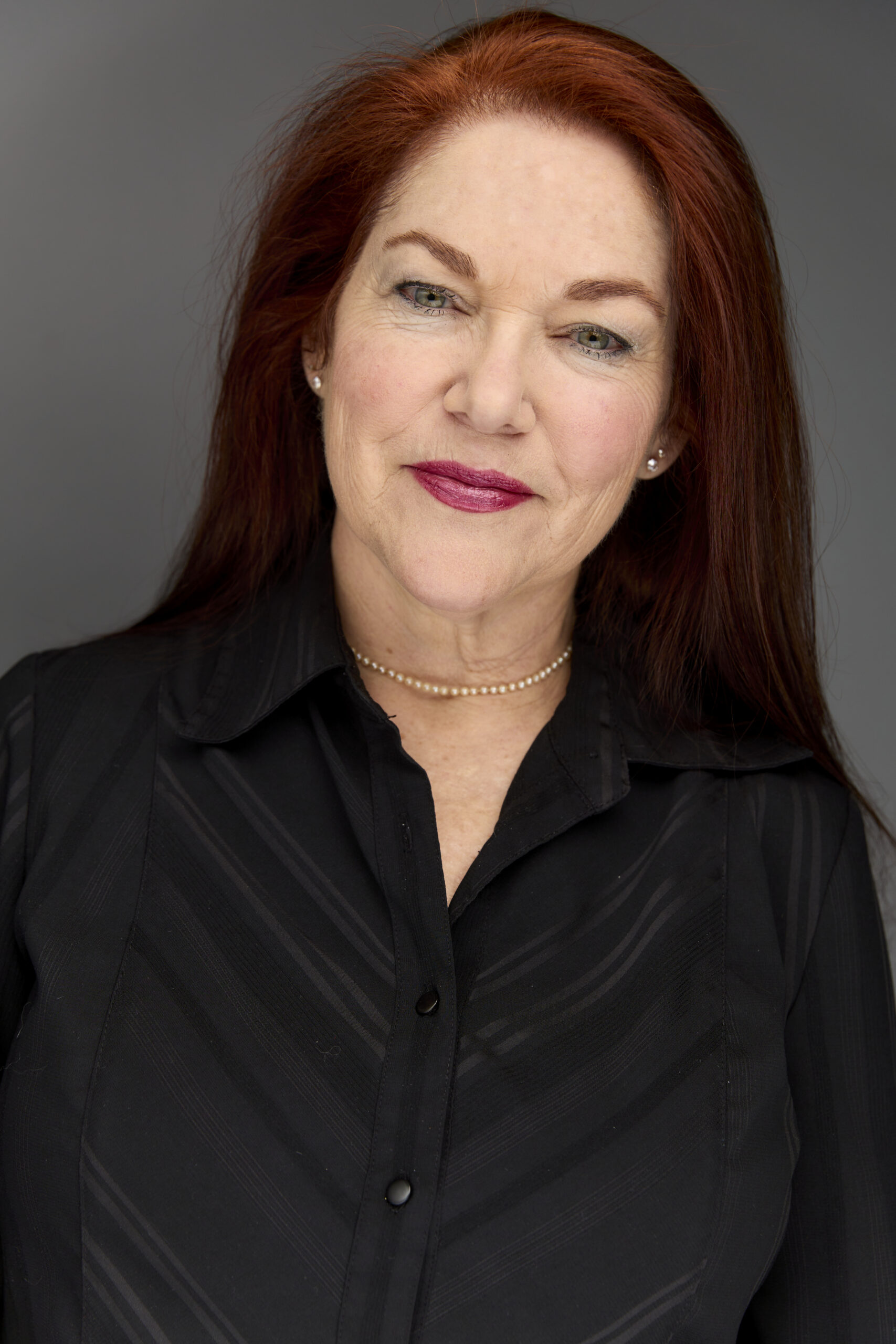
ALLY is an award-winning author, motivational speaker, and podcaster. She has authored or co-authored more than 50 articles, reports, book chapters, brochures, and a book. She holds degrees in English and Psychology from the University of Richmond and a Master’s in Public Policy from Georgetown University.
Formerly, Ally was an award-winning natural resources management and policy expert, life coach, and certified facilitator. In 2022, she ran for the U.S. Congress, bringing her passion for public service to the forefront. These experiences deeply inform her writing, offering readers unique insights into personal growth and societal challenges.
Her debut book, It’s Okay Not to Be Fabulous Every Day, explores themes of self-discovery, personal growth, and the complexities of the human experience. Praised for its unflinching honesty and relatable narrative, Fabulous has earned multiple awards, including recognition as a CM “Top 50 Nonfiction Book of 2024.”
In addition to writing and speaking, Ally also co-hosts a podcast with her son, award-winning actor and filmmaker, Kyle Dalsimer. Their podcast, “So, What’s Your Process?” dives deep into the minds of creatives to explore how they think, create, and grow.
When she’s not writing, speaking, or podcasting, Ally enjoys reading, spending time outdoors, and making memories with her fabulous kids and chillin’ with her chubby rescue cat, Pooma.
Transcript:
Dr. Kimberly Hubenette: Hello, everybody. This is Dr. Kimberly Hubenette of Live, Love, Survive, Thrive, and we’re here with a new guest that I just met, her name is Ally Dalsimer, and she talks about inner fabulosity. Whatever that means, we’ll have her explain it. But basically, she is an award-winning author. She she’s a motivational speaker and she’s also a podcaster. So maybe she can share a little bit about what her podcast name is and so forth. Well, she also holds an English degree, which, as, you know, since I’m a dentist, I never was really interested in English major stuff, and so when I started my career learning how to make books and create books, I didn’t have anybody to help me edit at first. My mom was the one that used to edit all of my stories and my journaling and my little excerpts that I would write in magazine articles. And then when she passed away, I didn’t have anybody. And so it kind of put me on a tailspin like, oh my gosh, I was so I had a crutch of having my mom do all of my editing and so forth, and then when she passed away, I had to do it myself. And so I don’t know about you, Ally, but I found this thing on Word documents that it would read back to me, and so basically I started using that to have the document read back to me, and I would always think about it. Oh, how does that sound? Does that sound correct? You know, and that’s how I started doing my books. But anyway, let’s get started and talk to Ally so she can tell us about her amazing career and her life. Miss Ally, welcome.
Ally Dalsimer: Well, thank you so much, Dr. Kimberly. I am very pleased to be here with you today.
Dr. Kimberly Hubenette: Can you tell us a little bit more about like what you do and your why?
Ally Dalsimer: Yeah, sure. So I’ll start with my why, because I feel like that dovetails well with your show, live, love, survive, and thrive. And just share, like so many of your guests, I went through a period of grief. I lost my husband to cancer. My mother died while I was actually running for office, both my kids went off to college, and I found myself in a pretty dark place, and from that place, I have subsequently evolved into what I’m doing now. And I did that through a couple processes that started with writing my book. Like so many people, I used a book as a self healing, although I hadn’t intended it that way. It was it was meant as life advice for my kids, but it ended up becoming a book, and there was just a lot going on there. Anyway, now I’m an award-winning author and speaker, and I do also have a podcast. I actually co-host that with my son, and it’s called “So, What’s Your Process? And we talk with creatives from all fields about what they do and how they do it, and it’s just been so much fun. We’re in the midst of our third season, wrapping up our our third season, and actually it’s wrapped up now, and we’ll be starting our next season in August, later August and September.
Dr. Kimberly Hubenette: So, are you on like what platforms are you on with that?
Ally Dalsimer: So we’re on YouTube. We also have an Instagram where we post shorts and whatnot. But we’re on YouTube and then all of the audio platform wherever you would get them. You know, yeah, Apple, Spotify, whatever. It’s on all of the platforms.
Dr. Kimberly Hubenette: So you speak of inner fabulosity. Sounds like that’s like one of a mantra that you have. So can you kind of explain what that is?
Ally Dalsimer: Absolutely. So my book is called “It’s Okay Not to Be Fabulous Every Day: A Journey to Self-Discovery,” and that title came out of a need that I felt, that I think a lot of people, and especially women, feel to just be on it all the time. You know, you’re the caretaker, and you’re the organizer, and you’re the this, and you’re the that, and whatever it is you’re doing. You know, there’s a lot of pressure to just be great and not show your flaws, not show the cracks, and so that title is, you know, it’s okay not to be fabulous every day. You don’t have to project something because the deeper message of my book is inside we are all fabulous, even if we have days where all we can do is just tread water and survive, and that’s okay. Like it’s okay to fall down. It’s okay to need help. It’s okay to cry. It’s okay to like binge Netflix and eat ice cream for a day.
Dr. Kimberly Hubenette: I’ve done that.
Ally Dalsimer: Yeah, right. Fall into the trap of doing it all the time, which is part of that journey. That journey that I talk about, but that I really genuinely believe that each of us has an inner fabulosity, and if we can tap into that, then we will achieve whatever it is we’re intended to achieve and to live a successful life. And I define success as doing what you love with whom you love in a positive and supporting framework, right? And that, to me, is success.
Dr. Kimberly Hubenette: We need to put that in the Webster’s dictionary, right? Fabulosity.
Ally Dalsimer: There you go.
Dr. Kimberly Hubenette: Yeah. Interesting. So, you know, back to where it started, like, you know, because my listeners have a grief experience, you know, you mentioned your grief experiences. Did that catapult you to where you are now?
Ally Dalsimer: 100%. So my husband died of cancer. It’s been 11 years. He died on August 16, 2015, two days after his 52nd birthday, and we actually buried him the Saturday before my daughter transitioned from elementary to middle school, and my son transitioned from middle school to high school. It was an incredibly turbulent and trying time for them. And I really didn’t deal with my grief well. I mean, like every fresh widow, I burst into tears at the silliest things. I’d be in the grocery store and see his box of Faber’s cereal, and, you know, that would do it, or hear some song that he liked, or whatever it was, or look at a motorcycle. I know you mentioned in one of your earlier episodes, Mark, your husband rode a motorcycle. Mine did as well. It’s really difficult. I did not deal with my grief. They’re like go to grief counseling, go to this, go that. In addition to an English major. I also I double majored with psychology, so I knew all those things. Like I knew what I was supposed to be doing, knew what I. And in some ways, I was my own worst enemy because nothing any therapist could say to me was any. I’d be like, “Oh yeah, that’s straight out of a book. You know, so yeah, it wasn’t it wasn’t helpful. And and so what I did was I stayed really busy. I just stayed busy, busy, busy, and focused on my kids and getting very involved with them. I was also extremely busy at work, and I leaned into that a lot. When it came to the very first, I’ll just call it pebble in the path, that was Thanksgiving. So Thanksgiving was always a holiday that we. Everybody came to us. My mother would come to us, and we’d taken neighbors who, you know, didn’t have anywhere to go. Whatever. I just the thought of Thanksgiving without my husband, because he, yeah, that was the one one meal that he just did everything. He took charge, and that was his thing. And I just, I again, I avoided. I avoided. I have a rather large and extended family in the UK, where they don’t celebrate Thanksgiving, obviously, and so I took my kids to meet their relatives in Wales, and we spent the week there in a house that was in the country that had no internet, had one little rinky-dink black and white TV that got staticky buzz on the, you know, the three stations that it sort of got sometimes. The town was literally a series of buildings on either side of a road maybe 40 buildings in all it was one little sort of pizza place that was like a not even a restaurant but like one of those carts but it was a permanent one, and they sold a bunch of different things there for, you know, if you needed food. But you know the nearest grocery store was a 20 minute drive, and it was just really out in nowhere. And we just used that time to heal and bond and share memories and really be able to help heal each other without dealing with the external pressures that that holiday would bring, without the trauma that that holiday would have brought to us. And so that was how I dealt with it for a long time. There’s a lot of things that ended up happening. I lost my job. My job was eliminated in the first Trump administration, I was the Natural Resource Program Manager for the Department of Defense, and that job was just eliminated. So that ended my 30-year career in environmental management policy, which was really traumatic. Then that was right before the pandemic. I ended up starting my own business, and then the pandemic hit, like literally, I started that September, and the pandemic hit like, you know, January, February timeframe. So by April, my business had failed. I ended up running for a public office, and which was a traumatic experience in and of itself, but during that time, my mother had become very ill, and I’d been caring for her, and she ended up in the hospital and was there for three and a half weeks. And we’d had a bad experience a few years before with a rehab unit, and she’d been abused. And so, instead of putting her in a rehab unit, I brought her home. So while I’m running for Congress, trying to take care of my two kids, caring for my ailing mother, my house flooded. I mean, it was just like this. It could have been some weird TV show. It was a lot, but I was keeping busy, which is good. And then she did pass during the run, and I really wasn’t able to deal with it because it was a very busy time. And fast forward to the following September, and my kids both left for college. My mother was gone. My husband was gone. I had no job. I had no purpose. I had no reason to get out of bed. And I literally lay in bed one morning, listening to the rain, and I thought there is absolutely no reason for me to get out of bed. No one needs me. I have no deadlines. There’s nothing I need to do other than you know the normal everyday stuff, pay bills or whatever. And it was actually my cat started meowing at me because she was hungry. I have a rested cat, and so I got up and I fed her and play with her. And I thought, you know what? I can change the sheets on my bed, and I’ll make some soup, and that’s what I did. And I got to the end of the day, and I thought, you know what, I did three things, and if I can do three things every day, that’ll be okay. And that was the beginning of my healing journey, and the beginning of the time where I really started to process the grief for my husband, as opposed to just being sad to him, but just trying to process the grief for my husband, my mom, for just so much that had happened, and that that was the beginning. And from there, I ended up because I did need a purpose. I ended up deciding to write some life advice for my kids, I’d started it years before when my husband had passed. I’d started writing these notes. I thought my kids don’t have a father. I’m going to need to give them some life advice. This stuff is my husband was Duggan is great at life advice, like that was his thing. So I started writing that out, and and that gave me something to do. And so I put it all together, and I sent it off to them. And I’m moving a little bit beyond the story that you asked about, but I’ll just go on. And they really connected with it and ended up sharing it with some of their friends, and got back to me and said that that I really should publish it. And so that was the beginning of my author journey.
Dr. Kimberly Hubenette: So you said a lot. Your kids were very young when that happened. Did you have to help them go through anything?
Ally Dalsimer: Absolutely, yeah. I was absolutely focused on them.
Dr. Kimberly Hubenette: Yeah. So basically, they were hit hard, and then you had your journey. But since you’re a psychologist, right? Tell the audience what happened with your kids, like, did they end up having a normal like high school, junior high school lifestyle, or was it really hard for them in school?
Ally Dalsimer: I do know, and I don’t want to share too much about the personal details of my children’s journeys. Also, I’m not a psychologist. I do have a degree in psychology, but I’m not a practicing psychologist. Although I did do some life coaching, so I’m not completely born to it. And I did have the tools to help them through through their periods of grief. Both of them struggled in very different ways. Their grief and processing manifested with different behaviors, and again, I I don’t want to go into details.
Dr. Kimberly Hubenette: But were you able to help them?
Ally Dalsimer: I was able to help them, and I I will tell you what any parent can help their child who is going through losing their parent or losing anyone who is significant in their life. It’s not easy, and it requires a lot of patience. The biggest thing is just communication. So the first thing kids do, my kids no exception, is they shut down. They wall off. I don’t want to talk to you. I don’t have anything to say to you. How was your day? Fine. And to just let them know, without nagging or harassing, that you are there for them, and, you know, I understand you don’t want to talk right now, but I’m here for if you need me, and not leave it at that. But every day, hey, how are you doing with this? How’s this going? They don’t want to talk to you. They don’t have anything to say to you for months. My kids like whatever, but I persisted and I said to them, look, I know you’re grieving, and I’m grieving too, because it’s also important that parents show their children that they too feel that loss, and it’s important that they know that it wasn’t their fault, that it wasn’t anyone’s fault that these things happen, right? And providing that structure and that base, trying to keep things very consistent for them. We established a number of routines early on because that also helps with child development. And so we continued those. We continued to have family time when they didn’t want to participate. I’d say, okay, well, I’m going to go ahead and watch our Friday night movie. If you’d like to come out and join me, I really love that, but you don’t have to if you don’t want to. And at first, of course, they didn’t for that particular thing. But then they did. But at the end, it’s funny because when I for the Friday movie one, I would go back and be like, okay, well, I watched this movie, and it was always a movie that I knew they would love. And I would tell them about it and what happens. Like, so if you want to watch it again, I’d be okay watching it again, and, you know, that kind of thing, and more just listening a lot as well. When they did finally start to open up, just listening. I’m terrible. My fatal flaws. I always want to solve their problems. I don’t think I’m unique in that way. But you can’t do that, right? You have to like, I can’t solve this problem. I just want to listen. It was funny because it was my daughter who actually said that to me. She was talking to me one time, and I was like, “Well, you know, have you thought about this?” And she said, “Mom, I don’t want you to solve my problem. I don’t want a solution. I just want to complain.” I was like, “I am there for you, honey. Go ahead.” So, I think that parents who allow their children to shut themselves off, or who nag their children to come on, talk to me, talk to me, talk to me, are not helping as much as they think they are. Trying to be available emotionally and psychologically without pressing-it’s a balance. But, you know, parents nag their kids, and kids are no different at 15 than they are at five. They just behave differently. So, trying to let your child know that you’re there for them no matter what, that you love them unconditionally, and frankly, if you don’t love your child unconditionally, I don’t know, probably shouldn’t have had kids, but kids need to be loved unconditionally, and the kids will push the boundaries. They will try to shock you. They will try to make you not love them as a way of testing your love, and, you know, you just have to let them know I still love you. I may not approve of you doing whatever, but I still love you. You’re still an amazing child that I want in my life, and any parent can do that with some patience because it takes a lot of patience not to be like ugh, right? And so that was my biggest goal. You know, Jackie Kennedy Onassis is famous. She’s got a lot of famous quotes, but she she famously said, “If you mess up your kids, nothing else matters.” And I actually wrote that on a sticky and stuck it to my kitchen cabinet and looked at it every day. If you mess up your kids, nothing else matters, nothing else you do matters. So, you know, that was my biggest priority after my husband died was to just not mess up my kids. And you really don’t have to be a great parent to have great kids. You just you have to be a good parent, right? You just have to be good. And if you can be a good parent, you know that’s all you can do.
Dr. Kimberly Hubenette: So in your journey with them, would you say that it is easier when you’re an adult to lose somebody, or when you’re a child, like, is there any difference?
Ally Dalsimer:
I think there are differences. I don’t think it’s ever easy. I don’t think it’s ever easier. It’s just different when you’re older. You understand the cycle of life. You understand the process of grief and the stages of grief. You can recognize, “oh, I’m in denial. Oh, I’m in the angry state.” You can Google for that if you don’t know it. When you’re a kid, especially when you’re young, you don’t have those tools. You don’t have the cognitive development in order to process intellectually what’s going on. All you have is the emotion. So, I don’t think there’s ever an easy time to lose someone that you truly, truly love.
Dr. Kimberly Hubenette: Now, have you had any other like relationships after your husband passed away?
Ally Dalsimer: Yeah. So a few years after, three, four years after, I I went on a date, and both my kids were like, “We’re we’re not ready for you to date. We don’t want you to date.” And I had no problem with that. You know, my kids are my priority, so I had no problem with that. And then, to be perfectly honest, and sort of open, then I became open to the concept of dating after a few years, I’m like, okay, I’m open to the concept of dating, but I was not ready for actual dating. That was not where I was at. And then recently, I’m like, okay, yeah, maybe, like I’m in a place where I would be willing to to venture out again. The problem now is that I’m so busy, I don’t have time. I’m like doing so many things, and it’s honestly, it’s funny, maybe this has to do with age, but I don’t feel like I need a man. There was a time where I really, when I was younger, I really felt I needed a man in my life, and I don’t feel like that anymore, you know. I need supportive relationships, like I need shoes, but I, you know, I don’t really need a man, a partner in the same way that I think I used to. I don’t need fancy heels, for example, right? There was a great T-shirt that my mom gave my sister when she was 10. I still remember this. I got one, and she got one and my mine said a woman’s place is in the house and the Senate and my sister said a woman needs a man like a fish needs a bicycle.
Dr. Kimberly Hubenette: That’s cute
Ally Dalsimer: Right? So I like I get that now, like I get that like so to answer your question I’m open to it but I’m not currently dating because one, I haven’t found a man who seems worthy enough because I’m comparing everybody to my husband, of course, still. And two, I just really don’t have time.
Dr. Kimberly Hubenette: How long has it been now that you lost your husband?
Ally Dalsimer: It’ll be 11 years this August.
Dr. Kimberly Hubenette: And so your kids are now in college?
Ally Dalsimer: My daughter just graduated college, and my son is working actor, musician, and filmmaker, and podcaster with me.
Dr. Kimberly Hubenette: That’s right. That’s right. So, did you ever become a congresswoman?
Ally Dalsimer: No, I did not. I was an insurgent candidate, and I failed in that endeavor. Although honestly, I don’t, you know, I say that kind of tongue in cheek. I don’t really think I did fail because my run pushed the incumbent to pass several pieces of legislation, support several pieces of legislation that he had previously not supported, and those made a difference. And because of him, he actually changed his platform. He actually changed his whole website. He changed his logo to copy ours. He got on the ball. You know that he updated his website had information from like 8, 10, years before, and hadn’t been touched since. And he got on the stick and he updated everything and got involved and got active, and you know. So, if nothing else, at least I kickstarted him into being a functional representative of this district again.
Dr. Kimberly Hubenette: Well, the other thing is, had you not, or had you won, your life would have been totally different right now.
Ally Dalsimer: Yes, yes, especially right now, it would be totally different.
Dr. Kimberly Hubenette: So maybe your journey, maybe there was a different purpose for your life, and then maybe that helped.
Ally Dalsimer: Yeah, you know the one thing I actually came to this realization, maybe about a year ago, and I realized that that run for Congress helped me realize that I can do anything, where I did not have that belief before, 100% did not. Now, if I could do that, I could do anything, and that is a huge gift. And I think probably, as you pointed out, the reason why I had that step on my journey.
Dr. Kimberly Hubenette: Yeah. I mean, because your experience of grief reshaped your view of life, but the other experiences, you know, basically it totally changed what the trajectory of your life is now.
Ally Dalsimer: Yeah, all those different things were elements that came together, and it really all started with my husband dying. He had been diagnosed; he had a blood cancer that ended up spreading into his bones and eventually into his brain. We had been told he would have after some treatments. We’ve been told he had about a year to live. We got for the six month point and went in for a visit and anticipated he would live another six months. But he took a turn for the worse and he ended up dying about six weeks later. So even though we anticipated his death, it was actually unexpected, if that makes sense, because it came much more quickly than we expected, so we weren’t ready. I wasn’t ready. I think that really kickstarted the left turn that my life took, that ended up leading me down this path where I am now.
Dr. Kimberly Hubenette: If someone’s listening and they’re just beginning their healing journey, what would you tell them?
Ally Dalsimer: I would tell them hang in there. I would tell them hang in there. Don’t give up. Don’t despair. Your life has a purpose. Your life has meaning. You will find it if you listen to yourself and if you grace yourself, the kindness and patience that you would gift to a close friend. So often we are hard on ourselves. We’re really quick to give forgiveness and kindness and patience to our friends, and then we’re telling ourselves, you know, get up, let’s go, let’s do, or I give up. I can’t. I can’t. I can’t. But really, what we need to do is gift ourselves that same patience and kindness, brace ourselves, the love that we give to others, and really embrace it for ourselves, and allow ourselves to take as much time as we need to heal. One of the things that really shocked me about a year after my husband died, this woman who had been a friend said to me, I can’t remember what we were. We were somewhere, and I just I got very emotional. Something happened. I don’t remember the details, but I got very emotional, and I just you know like little tears coming out. I was just like taking a moment, and she’s like, “Are you okay?” I was like, “Yeah, I’m just, you know, I’m missing Doug”, and she said, “Well, I mean, he died a year ago. Aren’t you over it yet?” I was like, “Hello, insensitive person who clearly has never lost anyone they love.” So I would say to a person new on their journey, in addition to really being kind to yourself. Don’t let people bully you about your grief. You take as much time as you need. For me, it took almost 10 years for me to get to the point where I could talk about him and not burst into tears. That’s how long it took me. It’s not right, wrong, good, bad, just is. And everybody has their own time. I’m boggled at people who lose a spouse and remarry in two years. Good for them. I couldn’t do it. Some people never do. I may never. I don’t know. But everybody’s journey is is unique, right? It’s your life journey. Your life journey. There’s no right or wrong way, and if you’re dealing with a new grief, a loss of a spouse or parent or child, just take your time and do whatever it is you need to do to process it.
Dr. Kimberly Hubenette: Your message in life. What is it that you hope that your story leaves behind?
Ally Dalsimer: I really hope that people will understand from what I share through my book and my speaking and whatever is that you are worthy. Your dreams are worthwhile, and you have an inner fabulosity that if you embrace it, you will live the life you are meant to live, and you will live a successful life. Meaning, doing what you love, where you love, with whom you love, and that’s really all anyone can ask for in life.
Dr. Kimberly Hubenette: Did you have a specific mantra or a quote that you like to share with the audience today?
Ally Dalsimer: Yeah. So my whole book is is quotes. Just so you know, that’s the format of it. There’s a quote, then there’s two or three pages that’s either a personal story or an anecdote of some sort that’s actually my entire book. So I had quotes on stickies up and down my cabinet walls that my daughter said was an eyesore, and I had to take down. I put them in a folder, and that was actually what ended up being this book. So I have a lot. My personal life mantra is the Jackie Kennedy one. You know, if you mess up your kids, nothing else really matters. But also, I’m very fond of Yoda, which is do or do not. There is no try, right? So, for example, I’m trying to be a good person. You either do or do not. You’re either going to be a good person, or you’re choosing not to be a good person. You have a choice every second of every day. It’s your choice how to behave, how to react. You can’t control other people, but you can absolutely control yourself. So do or do not. There is no try. That’s another one.
Dr. Kimberly Hubenette: That’s a good one.
Ally Dalsimer: And run on to the end of your dreams, or like Dory says, just keep swimming. Right, that was something that actually, when I was going through my grief journey, I just like singing because you know, hide little kids, just keep swimming, just keep swimming, and I was just like, just like you have to keep going, right? All I wanted to do was curl up in a ball and like hide from life, and I just had to keep going, keep going until it became easier.
Dr. Kimberly Hubenette: Was there one thing that you learned to love about yourself through this process?
Ally Dalsimer: Honestly, I learned to love myself, not just one thing about myself. That’s the whole thing. That journey to self-discovery. It’s an art. Starts with grief and self doubt and self whatever, and then it moves through to self acceptance and ultimately to self love. And with loving yourself comes endless confidence and joy. So there’s not one thing I’ve learned to love about myself. I’ve simply learned, and I’m still learning every day, learning to love my whole self.
Dr. Kimberly Hubenette: What does Live, Love, Survive, Thrive mean to you at this season of your life?
Ally Dalsimer: Honestly, your title is absolutely, and the description that you have on your podcast station is absolutely what attracted me to your show because it is exactly what my messaging is also. We have to live our lives filled with love and do more than survive. We have to thrive, and that’s how I interpret those words and what they mean to me. They’re very powerful words.
Dr. Kimberly Hubenette: So this shirt that I’m wearing today-do you recognize it? It’s from Disney. My nieces and nephews, and my sister-in-law, and my brother-they love Disney, and so it’s an avatar shirt. And do you know that every single avatar shirt is unique?
Ally Dalsimer: I did not.
Dr. Kimberly Hubenette: Yeah. So supposedly, when you buy an avatar shirt, like they don’t like cut it out of the same fabric, like the same like mold, like they just cut it, and so it could have like a stripe here, stripe there, whatever. And it’s my own avatar shirt.
Ally Dalsimer: I love that.
Dr. Kimberly Hubenette: I even got an avatar model when I went to the Disney store in Florida when I went to the Animal Kingdom. I got my own avatar model, so cute. That’s one of my favorite shows in TV movies, and wow, it’s just everybody’s unique. Everybody like expresses themselves a certain way, and as a dentist, like I’m still practicing dentistry, but all my patients tell me their stories, and I tell them my stories. And you know, when my husband passed away in 2019, I was shocked that they came in and they were telling me, you know, they were giving me tips and kind of like trying to help me through, because they knew that it could tell that something had changed in my demeanor with them. It’s hard to mask your grief, and then you have to keep going and moving forward and swimming, just keep swimming, like you said. And it’s interesting that talking to them, then starting, you know, to write journal, and then publish. I publish two books now, one’s fictional, one’s nonfictional, and it just helps me through the journey. And now, I’ve been doing little individual wellness retreats with people. I have like at least two to five people in my groups, and I take them hiking on a. I call it a five cents learning how to, you know, take in nature and do that in Sonoma County where I am. Even with my neighbors, you know, there’s this dog group that we have. I have a little pit bull, and during COVID, we were the only family that we had, you know, during like COVID, you can’t see your family, right? Because of all that, so we would always come together, and there were finally we realized there were five widows in the group. And, you know, then we started, you know, helping each other, talking about because we didn’t know at first. That’s not the first thing you say. Oh, hi, I’m a widow, right? But eventually, we got to know each other, and we shared our stories with each other, and that’s how it catapulted that I decided to have a podcast as well about this. It’s so necessary to talk to the world about these things because who do you talk to? You know, do you keep it inside or do you share? And then, what do people think about if you, you know, share your grief. A lot of people don’t know what to say to people. What would you say that you would tell somebody if they told you about their grief? I mean, do you have people just like blurted out if they didn’t even know what you did, and did you share with them about your stuff too?
Ally Dalsimer: First, I did want to say one thing. You mentioned there were five of you who were widows, and I think that that’s something that you’re right. Women don’t talk about enough because when I started speaking more about my grief and my loss, I discovered there were a number of women who were also widows in my close circle, not like close circle, but in my like extended circle. Like you said, there was no one to talk to, and so you know we did talk, and that that’s helpful sharing your story and sharing those commonalities, and sometimes just sharing memories of your husband. And I do have people talk to me about their-I’ll call it tribulations-not just their grief, but things that go on in people’s lives. I did do life coaching, so I heard stories through that, and then sometimes you know, like just a woman, random person in a grocery store just a few months back started talking to me in line at the grocery store. I don’t guess I have one of those faces. I don’t know. And of course, I talk to them, but really, they don’t want to hear me talk so much as they just want me to listen. People are lonely and they want to share without burdening. And sometimes, sharing with a stranger is the way to go because they don’t feel like they can share or they don’t want to burden close family members or close friends, and maybe they feel that those friends have heard the story enough, or maybe like the woman who used to be my friend, who was like, “It’s been a year, aren’t you over it yet?” I mean, that’s that’s not helpful. So, yeah, strangers do talk to me, and I think that it’s a really healthy and positive thing, and rather than try to counsel too much, I really just try to listen and sympathize.
Dr. Kimberly Hubenette: How can people find you?
Ally Dalsimer: You can find me by going to my website allydalsimer.com, and there’s links to all sorts of things there, including my newsletter. I have a free newsletter. It comes out every week. I don’t spam or share the the email addresses. And when you sign up, you get a free pamphlet how to maximize your personal potential, which is your start to try and help being the the confident, amazing person you are. And I also have an Instagram page where I’m fairly active, and I have my podcast with my son called So, What’s Your Process, and I have a YouTube station also under my own name, Ally Dalsimer. So you can pretty much Google me and find me.
Dr. Kimberly Hubenette: Wonderful. We’ve been talking about so many deep things right now, but I also like to ask my listeners at the very end, what is your favorite food or dish or recipe that you’d like to share with the audience?
Ally Dalsimer: Yes, I’ve been excited about this question. I am a plant-based person, so it’s like I haven’t seen a salad I don’t love, and I’m big on popcorn. But two things: one, I think you’ll like them both. One is you mentioned on one of your episodes that you love Reese’s Cups, chocolate and peanut butter. And one of my favorite snack foods, I actually treat it as my dessert. I have one like almost every night is the peanut butter aloha bars? They’re so good. Just throw that out there for you. And the recipe that I want to share is one that my daughter gave me recently when I visited her, and it’s so simple. And you take pitted dates, you slice them in half, and you put in banana, apple. bananas are good, but any bananas work. A couple little slices of bananas, and then you cover the whole thing with dark chocolate, like drizzled dark chocolate all over it. That’s it, and it makes these snack-sized bites that are the dates and the banana and the chocolate. And you have to use dark chocolate so that it has a slight bitterness to it. And then the bitterness of the chocolate merges with the sweetness of the dates and the banana, and it’s like totally delicious. Everybody loves it. I take it to my book club now. You know what? That’s like the perfect recipe because it’s easy, simple, and doesn’t aren’t dates like don’t they have like a lot of amino acids and everything? Like oh, they’re full of all kinds of nutrients. Absolutely, dates and bananas, of course, have a ton of potassium and and whatnot. And what’s really great is if it’s summertime, you can actually put little chocolate chunks or chocolate chips over it. And if you’re going out on a picnic, you don’t even have to melt the chocolate because if you just put it in the sun, the chocolate melts over it. So it’s super simple and totally portable.
Dr. Kimberly Hubenette: You know, I’m from Imperial County, and they have really good dates right by Palm Desert. There’s an oasis out there, and that’s where they have like the best date shakes. So if you ever come to California, they have date shakes and date everything’s.
Ally Dalsimer: Wow, that sounds delicious. Yeah, I mean, I’ve never heard of a date shake, I think that’d be amazing.
Dr. Kimberly Hubenette: Well, this was live, love, survive, thrive, and I’ll see you next time on our next episode. Till then, make it a great day, bye.